Female Migration: The Profound Pain of Displacement


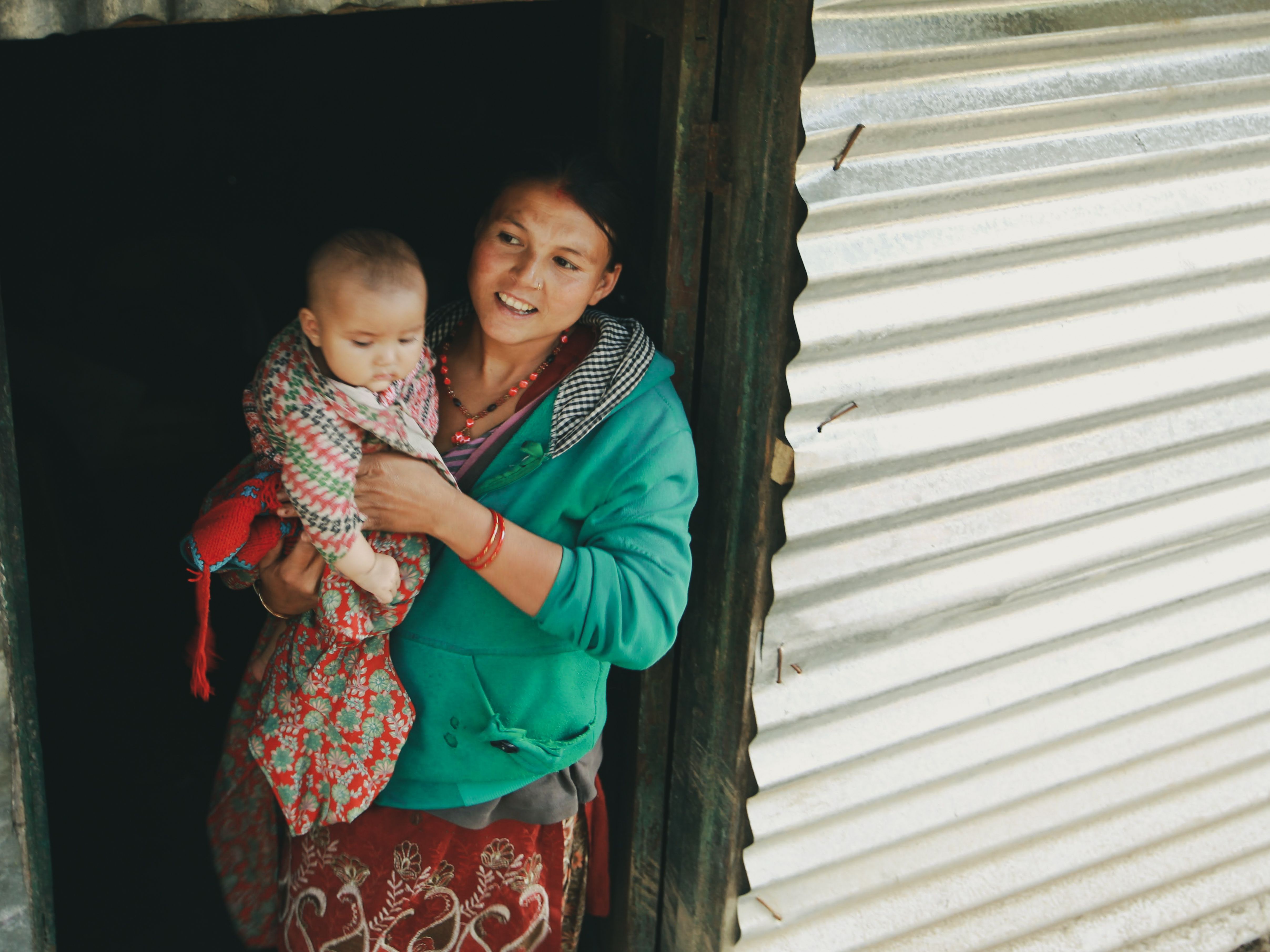
Female migration has a profoundly human and painful face. In Mexico, Latin America, and the world, millions of women migrate not for adventure, but out of desperation: they flee poverty, domestic violence, organized crime, abandonment, and lack of opportunity. Many leave their children behind with the hope that the distance will allow them to support them. Others take them with them on a journey that frequently becomes a nightmare.
Today, women represent nearly half of the international migrant population. But migrating as a woman entails specific risks: sexual violence, labor exploitation, human trafficking, discrimination, fractured motherhood, and extreme vulnerability in the face of criminal networks and merciless, dehumanizing migration systems.
Various international organizations and testimonies gathered over years by journalists and humanitarian organizations have documented a harrowing reality: many women crossing Mexico toward the United States take contraceptives before beginning the journey because they know there is a high probability of being raped en route. Some civil organizations at the border even provide the so-called "morning-after pill" as part of basic emergency aid. It is one of the most painful expressions of how sexual violence has been normalized on migration routes.
Behind each statistic lie concrete stories.
Central American women aboard "La Bestia," the freight train that traverses Mexico, have recounted how they travel hidden among unknown men, exposed to abuse, hunger, and permanent fear. Many must surrender their bodies to continue their journey. Others disappear. Some are kidnapped by criminal groups that profit from their vulnerability.
And even when they manage to cross the border, suffering does not end.
On the other side, they frequently encounter exhausting and poorly paid jobs: hotel cleaning, elderly care, grueling agricultural work, industrial kitchens, or clandestine factories. Without documents, without language skills, and living crowded in small apartments shared with multiple people, many survive in undignified conditions, invisible to a society that consumes their labor but rarely recognizes their humanity.
Solitude also becomes a profound wound.
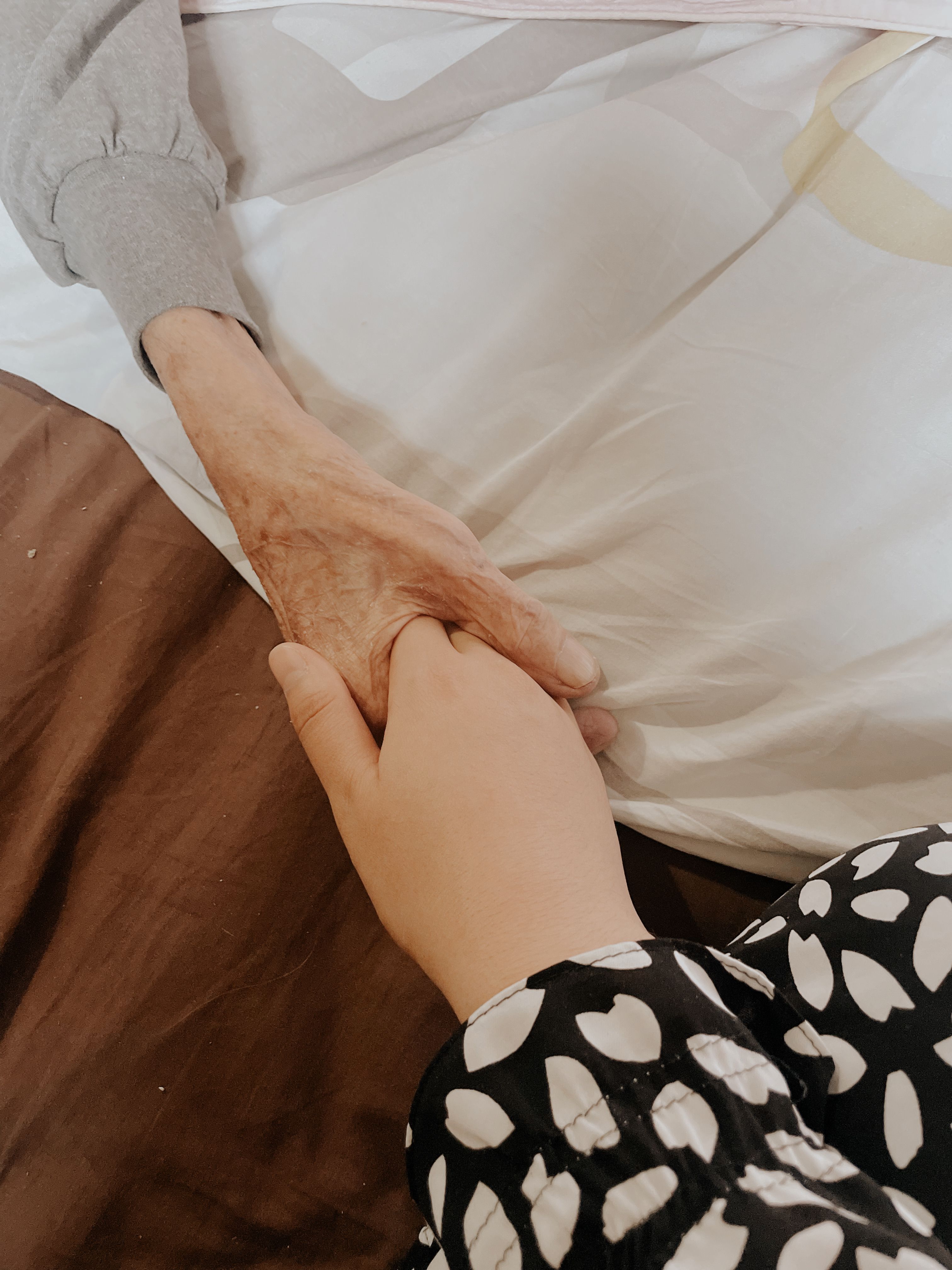
There are women who pass years without embracing their children. Mothers who watch children grow from afar—children they left in the care of their own mothers or sisters. Children who learn to call "mom" a voice that arrives through the telephone. Migration fractures bonds, alters identities, and leaves emotional scars that traverse generations.
But there is also another silent face of female migration: the women who stay behind.
In numerous towns throughout Mexico, men migrate first, promising to send money and return. Some families manage to sustain themselves. But in other cases, time dissolves the bonds. There are men who form new relationships in the United States and stop sending economic support. Then women remain alone, raising children, working the fields, sustaining entire households from abandonment and uncertainty.
These women live a different form of exile: they did not cross the border, but the border crossed through their lives.
Female migration cannot be reduced to statistics or political debates. It is a matter of human dignity. It compels us to ask what kind of societies we are building when millions of women must risk their bodies, their motherhood, and their lives themselves in an attempt tosurvive.
Because no one abandons their land, their language, their loved ones, and their history by choice.
Migrant women are not a threat nor an inconvenient figure in public discourse. They are mothers, daughters, workers, caregivers, and survivors. Women who sustain entire economies through remittances, who rebuild families across distance, and who, even amid precarity, continue struggling to offer a more dignified future to those they love.
To speak of female migration is to speak of humanity. And perhaps the greatest challenge of our time is precisely this: to regard migrant women not from prejudice or indifference, but from compassion, justice, and profound recognition of their dignity.
Migration should not be addressed solely as a border security problem, but as a global human, social, and ethical challenge. When millions of people are forced to abandon their homes due to poverty, violence, hunger, or desperation, the failure is not merely individual: it is collective. And within that reality, migrant women require particularly urgent attention.
Some fundamental actions that countries and the international community should promote are:
1. Create safe and legal migration routes
As long as migration continues to occur solely through clandestine networks and irregular pathways, human traffickers, kidnappings, and sexual exploitation will continue to thrive. Governments need to build orderly mechanisms of labor mobility and humanitarian refuge that reduce the vulnerability of migrant people.
2. Protect women and children specifically
Migrant women require specific protection protocols: safe shelters, medical and psychological care, prevention of sexual violence, access to basic hygiene, and legal accompaniment. No woman should cross a continent knowing she will probably be raped en route.
3. Combat the deep causes of migration
No one leaves home happily. Forced migration is linked to inequality, violence, corruption, lack of employment, and social disintegration. If countries of origin do not generate minimum conditions of dignity, migration will continue to grow. The best migration policy is to build countries where people do not have to flee to survive.
4. Recognize the human and economic value of migrants
Migrant people sustain entire sectors of many economies: agriculture, construction, elderly care, cleaning, food service. Yet they frequently live invisibilized and without rights. The world needs to stop benefiting from their labor while denying them recognition and protection.
5. Avoid the criminalization of migration
Migration does not make a person a criminal. Political and media language bears enormous responsibility. When the migrant is dehumanized, hatred, discrimination, and abuse grow. Behind each migrant lies a story of fear, hope, and necessity.
6. Strengthen family reunification
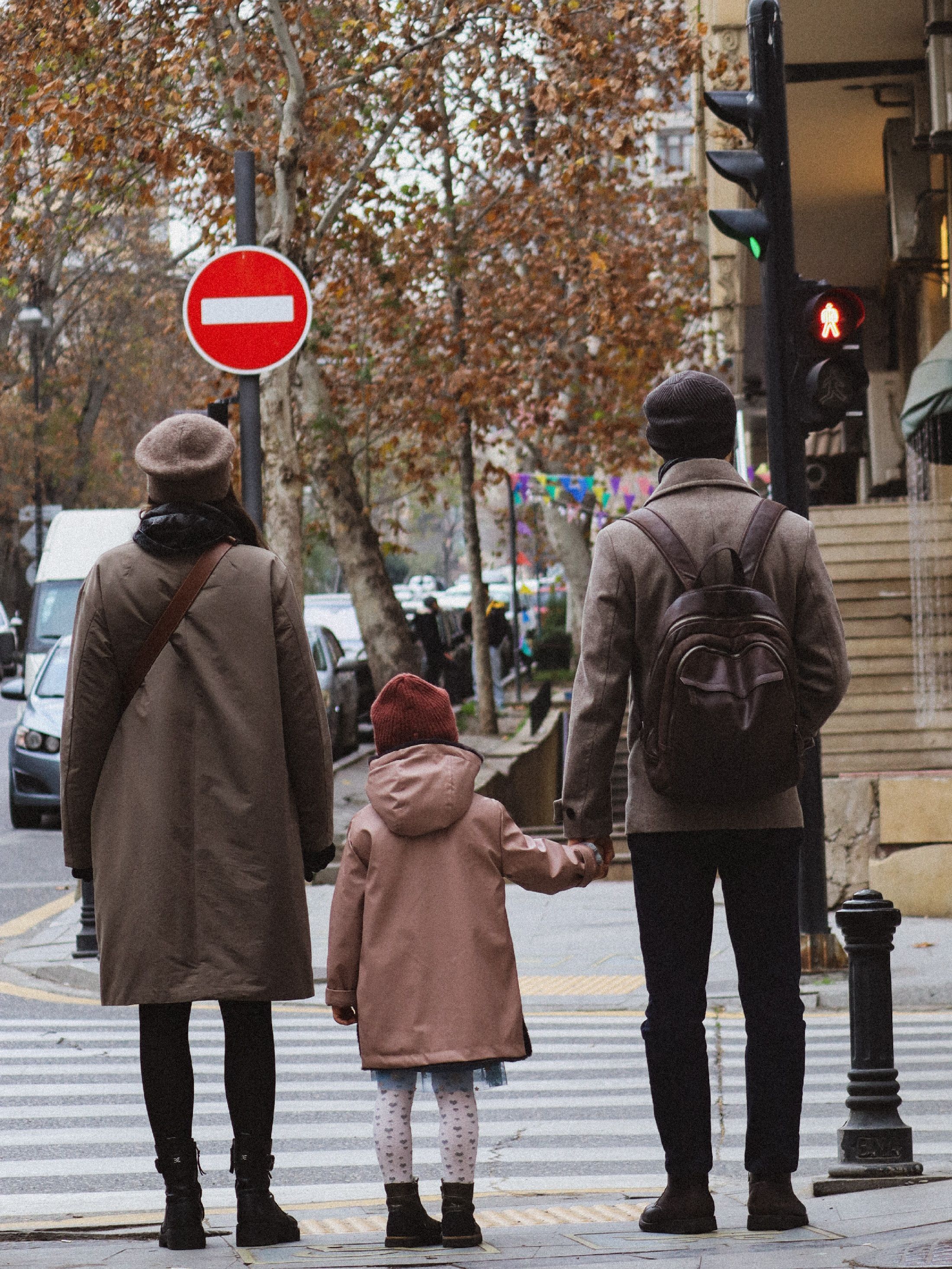
Many migration tragedies are born from the prolonged separation of parents and children. Public policies should facilitate reunification processes and prevent families from remaining fractured for years.
7. Generate genuine international cooperation
Migration cannot be resolved in isolation. It requires agreements among countries of origin, transit, and destination. Humanitarian coordination, social investment, and a shared vision based on human rights—not merely on momentary political interests—are necessary.
8. Listen more to migrant women
Migration policies are frequently designed without hearing the voices of those who live the experience. Migrant women know better than anyone the risks, abuses, and needs of the journey. Giving them voice is indispensable for building more humane solutions.
Perhaps the great challenge of the contemporary world is to recover the capacity to regard the migrant as one's equal. Because no border should be more important than human dignity. And no society can truly call itself civilized if it tolerates women and children traversing pain, violence, and abandonment as the price for being able to live.