Six areas of inquiry & action
The network's work is organized around six interconnected themes that together capture the full landscape of women's experiences, challenges, and contributions in the modern world. Each theme represents both an area of intellectual inquiry and a space for practical engagement.
Humanity
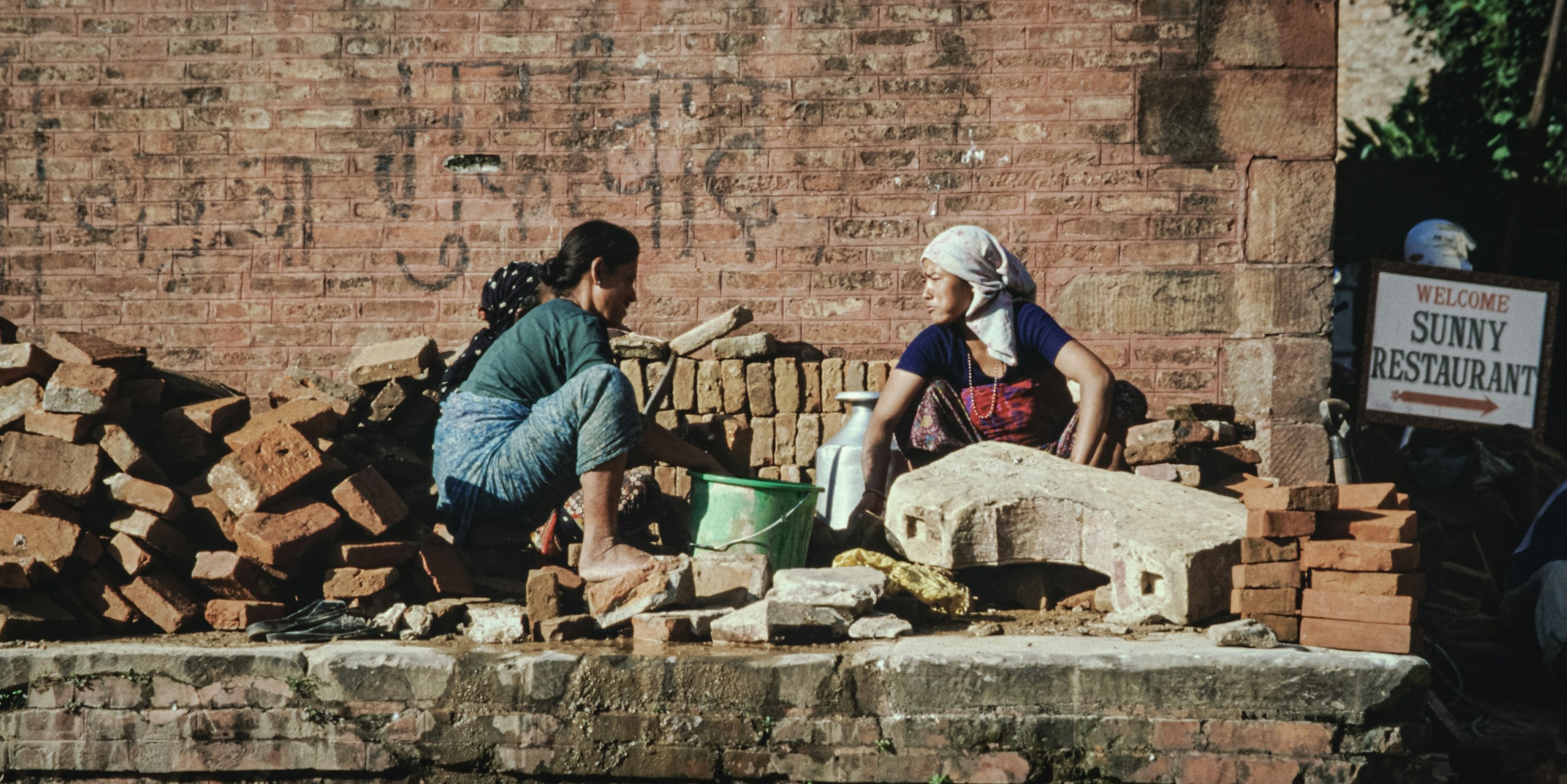
Humanity is felt in the spaces where life’s inequities become tangible — in neighborhoods overlooked by policy, in households balancing survival and care, and in the structures and systems that shape opportunity and access. This theme examines the social, economic, and cultural frameworks that influence dignity, rights, and well-being, from local communities to global contexts.
Explore articlesWhat we explore:
Economic inequality: How gendered disparities in income and opportunity affect daily life and long-term prospects.
Social exclusion: The ways women are marginalized or denied access to decision-making, resources, and recognition.
Poverty: Examining the gendered dimensions of financial insecurity and the systemic factors that perpetuate it.
Race, class, and migration: Intersections that influence women’s experiences, opportunities, and rights across societies.
Global disparities affecting women and families: Comparative perspectives on health, education, and social mobility.
Human rights: Investigating the protection, recognition, and fulfillment of women’s rights in practice and law.
Care
Care shapes the rhythms of women’s lives and the societies they sustain — from households to workplaces, communities, and policy frameworks. This theme explores the social, economic, and ethical dimensions of caregiving: maternity and motherhood, family structures, paid and unpaid care work, and reproductive and maternal health.
Explore articles
What we explore:
Maternity and motherhood: The realities, challenges, and joys of childbirth, parenting, and maternal identity for women from all cultures and religions.
Family structures: How family organization, relationships, and dynamics influence women’s roles and opportunities.
Care work (paid and unpaid): The labor of sustaining others, its economic and social value, and the disparities it reveals.
Health: Access, policies, systems, and practices that influence women’s health and wellbeing throughout every stage of life.
Work

Work shapes women’s opportunities, independence, and influence — connecting individual lives to broader economic and social systems. This theme examines women’s participation in labor, employment, and leadership, the policies governing economic opportunity, work-family harmony, development models, and entrepreneurship.
Explore articlesWhat we explore:
Labor and employment: Access to work, conditions, pay equity, and career trajectories.
Economic policy: How laws, regulations, and institutional frameworks impact women’s economic participation.
Work-family harmony: Navigating responsibilities at home and in professional life, and the policies that support or hinder it.
Development models: Evaluating sustainable and inclusive approaches that recognize women as agents of growth and change.
Entrepreneurship and leadership: Supporting women as innovators, business leaders, and economic decision-makers.
Leadership
Leadership is not just about positions or titles — it is about influence, agency, and the capacity to shape public life. This theme explores women’s engagement with political, civic, and institutional structures, including participation in governance, law and public policy, institutional power, and civic advocacy.
Explore articles
What we explore:
Governance: How women contribute to leadership and decision-making within institutions and organizations.
Law and public policy: Examining legal frameworks and policies that impact women’s rights, equity, and representation.
Institutional power: Understanding how women access, exercise, and transform authority in public and organizational spaces.
Civic leadership and advocacy: Grassroots organizing, activism, and advocacy that amplify women’s voices and drive social change.
Culture
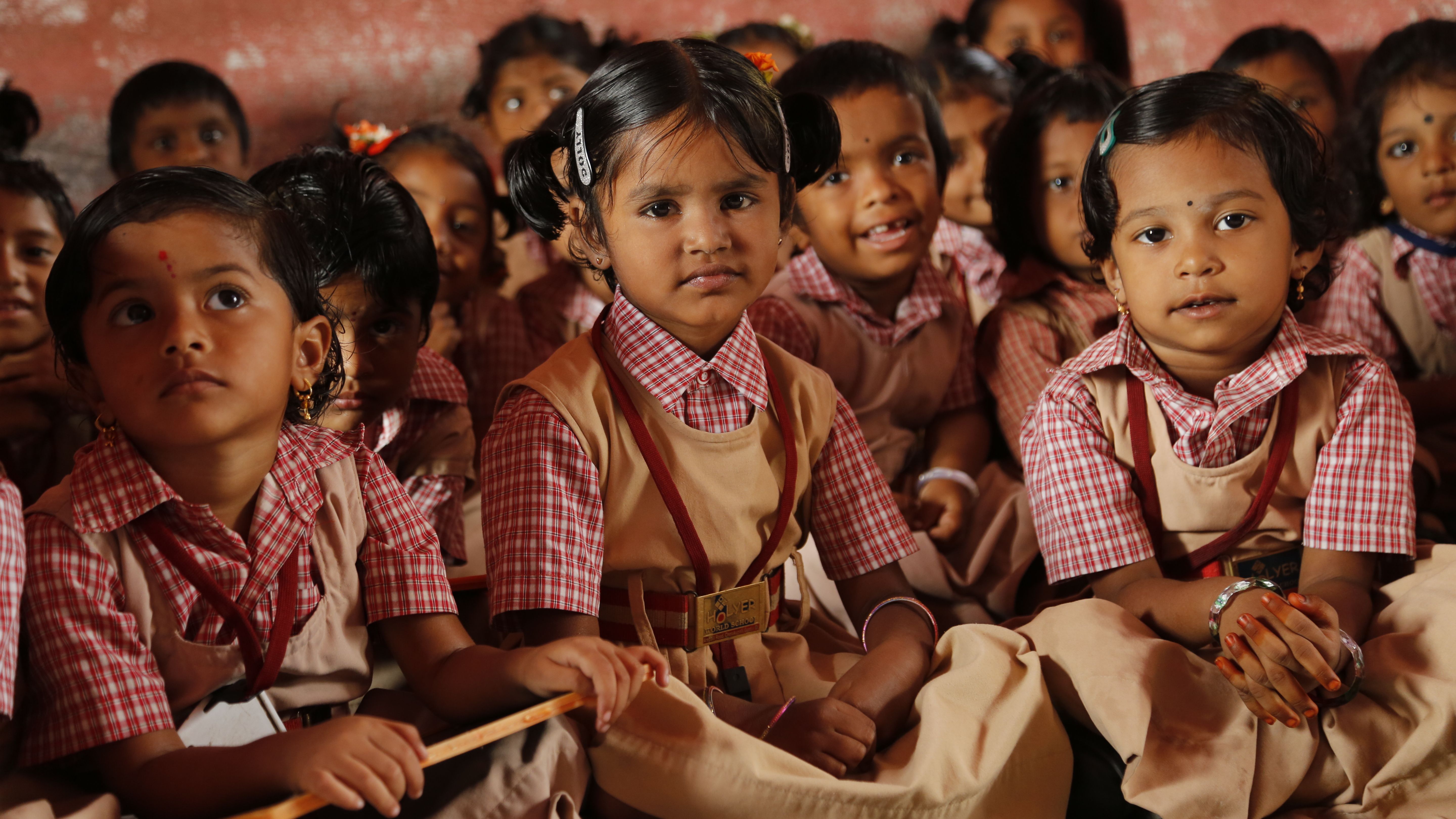
Culture shapes how women understand themselves, their communities, and the world around them. This theme examines the formation of identity, knowledge, and meaning through education, cultural narratives, media representations, feminist thought, and ethical or worldview perspectives.
Explore articlesWhat we explore:
Education: Access to learning, curricula, and opportunities that shape knowledge and development of capabilities.
Cultural narratives: Stories, traditions, and societal expectations that inform identity and social roles.
Feminist thought and debates: Intellectual frameworks, theories, and discussions that challenge our understanding of gender and society.
Religion, ethics, and worldview: Examining how beliefs and ethical perspectives intersect with women’s lives and choices.
Personhood: Philosophical, anthropological, and social understandings of dignity, agency, identity, and moral responsibility.
Intergenerational dialogue: Conversations across generations that examine continuity and change in women’s experiences and values.
Community
Community is where ideas become action. This theme explores dialogue, collective engagement, and collaborative practice — including intergenerational conversations, events and convenings, grassroots projects, and initiatives that bridge differences.
Explore articles
What we explore:
Intergenerational dialogue: Conversations that connect women across ages to share knowledge, experience, and insight.
Events and convenings: Conferences, forums, and gatherings that foster reflection, learning, and exchange.
Community initiatives: Programs and efforts that strengthen social ties, collaboration, and mutual support.
Grassroots projects: Local actions and projects that address challenges and create tangible impact.
Collaborative action: Building solidarity and partnerships across diverse backgrounds, experiences, and perspectives.
Training: A space to educate others on various topics within the realm of the organization.